Posts

Parts of Speech - Noun, Pronoun, Verb, and Adverb - A Medical Professionals Must Know.

Image
Grammar is one of the most important foundations of any language. For medical transcriptionists, strong grammar skills are essential because even a small grammatical mistake can affect the clarity and accuracy of a medical report. A successful medical transcription professional must not only possess excellent listening skills but also have strong knowledge of English grammar, medical terminology, computer operations, and typing skills. Among these abilities, grammar plays a vital role in producing accurate and professional medical documents. In this post, we will learn about four important parts of speech in English grammar: Noun, Pronoun, Verb, and Adverb. Importance of Grammar in Medical Transcription Medical transcriptionists deal with highly important healthcare documents every day. Understanding the parts of speech helps improve sentence construction, proofreading skills, and overall report accuracy. Benefits of learning grammar include: Improved writing accuracy Better sentence ...

25 Important Medical Language Slangs and Terms

Image
  Medical transcription involves listening to healthcare providers and accurately converting their spoken reports into written documents. To improve speed and accuracy, medical professionals often use abbreviations, slangs, and shortened terms. Understanding these commonly used expressions is essential for medical transcriptionists, healthcare documentation specialists, and students entering the medical field. In this post, we will explore 25 important medical transcription slangs and terms along with their meanings and brief explanations. 1. Bili - Bilirubin Bili is the short form of bilirubin, a yellow pigment produced during the breakdown of red blood cells. Elevated bilirubin levels may indicate liver disease, jaundice, or bile duct obstruction. 2. Fluoro - Fluoroscope Fluoro refers to fluoroscopy or a fluoroscope, an imaging technique that provides real-time moving X-ray images. It is commonly used in diagnostic and interventional procedures. 3. Retic - Reticulocyte Retic stan...

8 Important Gastrointestinal Medical Terms and Definitions

Image
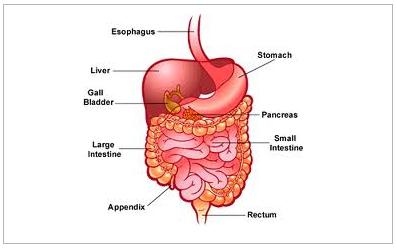
This free medical transcription course post explains 8 important medical terms that are used on a daily basis when processing live transcription files as a daily job. 1.  Deglutition:  The process of swallowing food materials is known as deglutition. 2.  Dysphagia:  An abnormal condition of difficulty of swallowing of food stuffs by a person. 3.  Nasal Regurgitation:  Back flow of food material from the stomach to the nose. 4.  Bolus:  Food mixed with salivary juice while chewing food. 5.  Chyme:  Partially digested food material inside the mouth is called chyme. 6.  Achalasia Cardia:  Inability of lower esophageal sphincter to relax. 7.  Orifice:  Opening. 8.  Pneumonitis:  Inflammation of the walls of the air sacs or alveoli in the lungs. In the next post, we will study about important 20 gastrointestinal medical terms.  To go to the prior post CLI...

Fifth Vital Signs

Image
We have already learnt about normal vital signs, that are taken into consideration while diagnosing a patient's normal physical condition to come into some diagnostic conclusions during physical examination.  Normally, vital signs are temperature, blood pressure, respiratory rate, and heart rate. Apart from these normal vital signs, secondarily some vital signs are also taken into consideration are menstrual cycle, Glasgow Coma Scale, pulse oximetry, and blood glucose levels.  The knowledge of these secondary vital signs are essential while concluding some advanced diagnostics.  We will see about the fifth vital signs one by one. 1.  Glasgow Coma Scale or GCS:  It is a neurological measure of recording a conscious state of a patient in relation to the assessment of the disease condition.  The scores are the lowest of 3 and the maximum of 14 to 15. In common, GCS is calculated in a patient after a head injury to measure the score of consciousne...

1 Great Health Benefit of Sleeping...

Image

What are Vital Signs ?

Image
In this post, we will study about another important aspect in medical science and knowing about them is very crucial and they are vital signs. In every job we encounter, we will encounter vital signs details without a miss.  Vital Signs are nothing, but clinical measurements of that are helpful in assuring that human body is in normal state of health. What are the 4 clinical measurements ? The four clinical measurements of general health state of a patient are: 1.  Heart rate or pulse rate or pulse. 2.  Body temperature. 3.  Respiratory rate. 4.  Blood pressure. We will see about one by one now. 1. Heart rate or pulse rate or pulse: Normally, in resting condition, a person's heart rate or pulse is estimated to be around 60 beats to 100 beats in a minute. In fact, the lesser the heart rate, the better heart of health would be. For example, a well-trained sportsperson heart would be around 40 beats to 45 beats a minute. 2. ...

What is Atrial Fibrillation ?

Image
As a medical transcription trainees, you all must know about an important medical term, you would often encounter in files is atrial fibrillation. This is an important medical term related to cardiovascular system i.e. heart and blood vessels.  Then, what is atrial fibrillation ?  We will see the meaning and definition of atrial fibrillation below. We all know that heart is felt in our body by its beat sounds defined as lub dub sounds while doctors hear through a stethoscope.  There are normal and abnormal heart beats can be understood by the professionals and so they can lead the exam with an Electrocardiograph scan to understand more about beats and electrical stimulated condition inside the heart. So, an ECG or electrocardiograph scan report will tell more about the kind of heart beats and their characteristic features and consequences inside the heart currently and in the near future. Atrial fibrillation is nothing, but an irregular and also often...