Monday, April 3, 2017
The Longest Medical Word
Tuesday, March 21, 2017
Parts of Speech - Noun, Pronoun, Verb, and Adverb - A Medical Professionals Must Know.
Grammar is one of the most important foundations of any language. For medical transcriptionists, strong grammar skills are essential because even a small grammatical mistake can affect the clarity and accuracy of a medical report.
A successful medical transcription professional must not only possess excellent listening skills but also have strong knowledge of English grammar, medical terminology, computer operations, and typing skills. Among these abilities, grammar plays a vital role in producing accurate and professional medical documents.
In this post, we will learn about four important parts of speech in English grammar: Noun, Pronoun, Verb, and Adverb.
Importance of Grammar in Medical Transcription
Medical transcriptionists deal with highly important healthcare documents every day. Understanding the parts of speech helps improve sentence construction, proofreading skills, and overall report accuracy.
Benefits of learning grammar include:
Improved writing accuracy
Better sentence formation
Faster editing skills
Enhanced communication
Higher quality medical reports
Now let us look at the basic parts of speech.
Grammar is very crucial in any language. A medical transcriptionist must be well-versed in his language skills i.e. writing skills. This unavoidable skill needs specialized knowledge in English grammar apart from strong listening skills and medical language skills, computer operating skills, and fast typing skills are of having secondary importance to be a successful medical transcription professional.
In this post, we will see about basic parts of speech in English, such as,
NOUN.
PRONOUN.
VERB.
ADVERB.
We will see about one by one now.
1. Noun
Noun - A noun is used to denote a name of a person, animal, place, of a inhuman thing in the universe. For example,
John is a name that denotes a boy.
Dog is a name that specifies an animal.
San Diego is mentioned to denote a place.
Stone is denoted to specify an inhuman thing.
Additional Examples of Nouns
Doctor
Hospital
Patient
Nurse
Computer
Tree
A noun can represent anything that can be named, whether it is a person, place, animal, object, or idea.
Further read about NOUN
2. Pronoun
Pronoun: In a language, pronoun is used to specify any type of noun i.e. a person, thing, place, or a plant, animal etc. For example, if John is specified in a sentence, the next time his name can be identified when uses HE as a pronoun. In this way, HE, SHE, IT, I, YOU, WE, SOME, EACH, EITHER, NEITHER etc., are the pronouns used instead of a noun in a sentence, and so they are all collectively termed as PRONOUN.
Additional Examples of Pronouns
He is a doctor.
She is a nurse.
They are working in the hospital.
It is a medical report.
We are learning grammar.
Pronouns help avoid repeating the same noun multiple times and make sentences easier to read.
Further read about PRONOUN
3. Verb
Verb: In a sentence, each ACTION part is identified by using VERB. Action is nothing, but a condition of a subject in a sentence. For example, run, go, come, read, hit etc.
Additional Examples of Verbs
The doctor examines the patient.
The nurse records the vital signs.
The patient walks slowly.
The transcriptionist edits the report.
Verbs are often called action words because they describe what the subject is doing.
Further read about VERB
4. Adverb
Adverb: An ADVERB is used in a sentence to change or modify an action or verb, or an adjective, or may be another adverb is called as adverb. For example, swiftly (speedily), today, regularly, although, again etc.
Additional Examples of Adverbs
He speaks clearly.
She works efficiently.
The patient recovered quickly.
The doctor arrived early.
Adverbs provide additional information about how, when, where, or to what extent an action occurs.
Further read about ADVERB
Why Understanding Parts of Speech Matters
Learning the parts of speech helps improve both written and spoken English. For medical transcriptionists, editors, students, and professionals, grammar knowledge contributes to higher-quality communication and fewer documentation errors.
Mastering nouns, pronouns, verbs, and adverbs forms the foundation for understanding more advanced grammar topics.
Conclusion
The four parts of speech discussed above are among the most important building blocks of English grammar. A strong understanding of nouns, pronouns, verbs, and adverbs can significantly improve writing skills and grammatical accuracy.
In the next post, we will see about other important Parts of Speech items, such as Adjective, Preposition, Conjunction, and Interjection. Okay.
Further read about VERB
Further read about ADVERB
Home Page:
Friday, March 10, 2017
25 Important Medical Language Slangs and Terms
Medical transcription involves listening to healthcare providers and accurately converting their spoken reports into written documents. To improve speed and accuracy, medical professionals often use abbreviations, slangs, and shortened terms. Understanding these commonly used expressions is essential for medical transcriptionists, healthcare documentation specialists, and students entering the medical field.
In this post, we will explore 25 important medical transcription slangs and terms along with their meanings and brief explanations.
1. Bili - Bilirubin
Bili is the short form of bilirubin, a yellow pigment produced during the breakdown of red blood cells. Elevated bilirubin levels may indicate liver disease, jaundice, or bile duct obstruction.
2. Fluoro - Fluoroscope
Fluoro refers to fluoroscopy or a fluoroscope, an imaging technique that provides real-time moving X-ray images. It is commonly used in diagnostic and interventional procedures.
3. Retic - Reticulocyte
Retic stands for reticulocyte, an immature red blood cell. Reticulocyte counts help physicians evaluate bone marrow function and diagnose different types of anemia.
4. Chem - Chemistry
Chem usually refers to laboratory chemistry tests that measure substances in blood and body fluids. These tests help assess organ function, metabolism, and overall health status.
5. Echo - Echocardiogram
Echo is short for echocardiogram, an ultrasound examination of the heart. It helps evaluate heart chambers, valves, pumping function, and blood flow patterns.
6. Primip - Primipara (First Pregnancy)
Primip refers to a woman who has delivered one child or is experiencing her first pregnancy. The term is commonly used in obstetrics and gynecology documentation.
7. Cysto - Urinary Bladder
Cysto generally refers to the urinary bladder or procedures involving the bladder, such as cystoscopy. It is frequently encountered in urology reports and operative notes.
8. Dc'd - Discontinued
Dc'd means discontinued. This abbreviation is often used when a medication, treatment, or medical intervention has been stopped by the healthcare provider.
9. Trach - Tracheostomy
Trach is short for tracheostomy, a surgical opening created in the trachea to help patients breathe. It is commonly mentioned in critical care and respiratory therapy records.
10. Dig (dij) - Digoxin
Dig refers to digoxin, a medication used to treat certain heart conditions such as atrial fibrillation and heart failure. Accurate transcription of this drug name is important due to its narrow therapeutic range.
11. Coag - Coagulation Rate
Coag refers to coagulation studies that assess the blood's ability to clot properly. These tests are important for patients with bleeding disorders or those receiving anticoagulant therapy.
12. Fib - Fibers
Fib commonly refers to fibers or fibrous tissue in certain medical contexts. The exact meaning may vary depending on the specialty and report type.
13. Ca (CA) - Calcium
Ca is the abbreviation for calcium, an essential mineral required for healthy bones, muscles, nerves, and cardiovascular function. Calcium levels are frequently included in laboratory reports.
14. Procto - Proctodaeum
Procto relates to the proctodaeum, an inward fold on the embryonic ectoderm that contributes to the development of the anal canal. The term is primarily encountered in anatomy and embryology references.
15. Lytes - Electrolytes
Lytes is a commonly used slang for electrolytes, including sodium, potassium, chloride, and bicarbonate. Electrolyte balance is crucial for proper cellular and organ function.
16. Cath - Catheter
Cath refers to a catheter, a medical tube inserted into the body for drainage, medication delivery, or diagnostic procedures. The term is frequently used in cardiology and urology reports.
17. Mets - Metastasis
Mets is the shortened form of metastasis, indicating the spread of cancer from its original site to other parts of the body. This term is commonly found in oncology documentation.
18. Diff - Differential
Diff refers to a differential count, usually part of a complete blood count. It measures the different types of white blood cells and helps identify infections and hematological disorders.
19. Nitro - Nitroglycerine
Nitro is short for nitroglycerine, a medication commonly used to relieve chest pain caused by angina. It works by improving blood flow to the heart muscle.
20. Peds - Pediatrics
Peds refers to pediatrics, the branch of medicine dedicated to the health and medical care of infants, children, and adolescents.
21. 'crit - Hematocrit
'crit is shorthand for hematocrit, the percentage of red blood cells in blood. It is an important laboratory value used in evaluating anemia and hydration status.
22. Lap Chole - Laparoscopic Cholecystectomy
Lap chole refers to laparoscopic cholecystectomy, a minimally invasive surgical procedure performed to remove the gallbladder. It is one of the most common abdominal surgeries.
23. Meds - Medications
Meds is a widely used abbreviation for medications. It may refer to prescribed drugs, over-the-counter medicines, or therapeutic agents used for treatment.
24. Tic - Sudden and Uncontrolled Small Movement of the Face
A tic is a sudden, repetitive, involuntary movement or sound. Facial tics are commonly associated with neurological conditions and stress-related disorders.
25. Multip - Multiple
Multip generally refers to multiple pregnancies or a woman who has experienced more than one pregnancy. It is frequently documented in obstetric histories.
Why Learning Medical Transcription Slangs Is Important
Medical transcriptionists encounter hundreds of abbreviations every day. Familiarity with these terms improves transcription speed, reduces errors, and enhances report accuracy. Understanding medical slangs also helps professionals communicate effectively with healthcare providers and interpret clinical documentation correctly.
Whether you are a beginner or an experienced transcriptionist, regularly reviewing common abbreviations can significantly improve your productivity and confidence.
Final Thoughts
The medical field uses numerous abbreviations and slangs to simplify documentation and communication. Mastering these commonly used terms is an important step toward becoming a skilled medical transcription professional. The 25 terms discussed above are among the most frequently encountered in clinical reports, discharge summaries, operative notes, and diagnostic studies.
In the next post, we will explore important urological terms commonly used in medical transcription and healthcare documentation. Stay tuned!
Why Data Science is the Most In-Demand Career in the AI Revolution
Monday, February 27, 2017
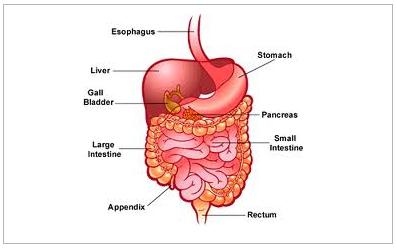
8 Important Gastrointestinal Medical Terms and Definitions
Monday, February 13, 2017
Fifth Vital Signs
We have already learnt about normal vital signs, that are taken into consideration while diagnosing a patient's normal physical condition to come into some diagnostic conclusions during physical examination. Normally, vital signs are temperature, blood pressure, respiratory rate, and heart rate.
1. Glasgow Coma Scale or GCS: It is a neurological measure of recording a conscious state of a patient in relation to the assessment of the disease condition. The scores are the lowest of 3 and the maximum of 14 to 15. In common, GCS is calculated in a patient after a head injury to measure the score of consciousness level.
2. Pain: Pain is a response stimuli of damage intensity of a patient's physiological or psychological trauma. The more intense the trauma level, the more intense pain response from a patient. So, this is taken as one of the main fifth vital sign to diagnose the trauma level or intensity of a disease.
3. Menstrual cycle: This fifth vital sign is used to detect the probability of pregnancy in a female patient. The symptoms upon which a female gets a menstrual cycle are taken into consideration before diagnosing a disease.
5. Blood glucose level: Sugar test to identify a patient's blood glucose level is another important fifth vital sign that will reveal how the patient's glucose is converted to energy in the blood stream. High or low blood sugars are very well understood based on their consequences in the body.Wednesday, January 25, 2017
What are Vital Signs ?


Generally, a person may breathe between 12 to 20 breaths per minute, but infants from birth to about 6 weeks of their life normally breathe about 30 to 40 times. A person's respiratory rate may be higher in abnormal conditions such as fever or other illnesses.
Blood pressure is a measurement of amount of blood flows on the walls of the heart. Normal blood pressure standard is 120/80 for adults. High blood pressure if found needs to be controlled to maintain the normalcy of heart and blood vessels, otherwise, it may lead to any threat to the life of a patient.Tuesday, January 24, 2017
What is Atrial Fibrillation ?
Tuesday, January 17, 2017
Aims of Studying Medical Language
Sunday, January 15, 2017
Sunday, January 8, 2017
What is ECMO?
Monday, January 2, 2017
Blood Work Lab Values Abbreviations
Why Data Science is the Most In-Demand Career in the AI Revolution
How to Kickstart Your Dream Career with the Data Scientist Career in This AI Era Artificial Intelligence (AI) is no longer a futuristic co...
-
Common Disease Conditions of Skin This post is dedicated knowing something about some abnormal conditions of the skin. we will see one by o...
-
The medical transcription industry has undergone significant changes over the last decade. While it continues to provide employment opport...
-
Today, we will know about an interesting medical term in medical language. This post is just to know about a different thing in the medica...